St. Johns County Real Estate Guide
We're a Putnam County family team first, but inland St. Johns County comes up in nearly every buyer conversation we have — here's the honest, sourced version.
1. What the numbers actually say (June 2026)
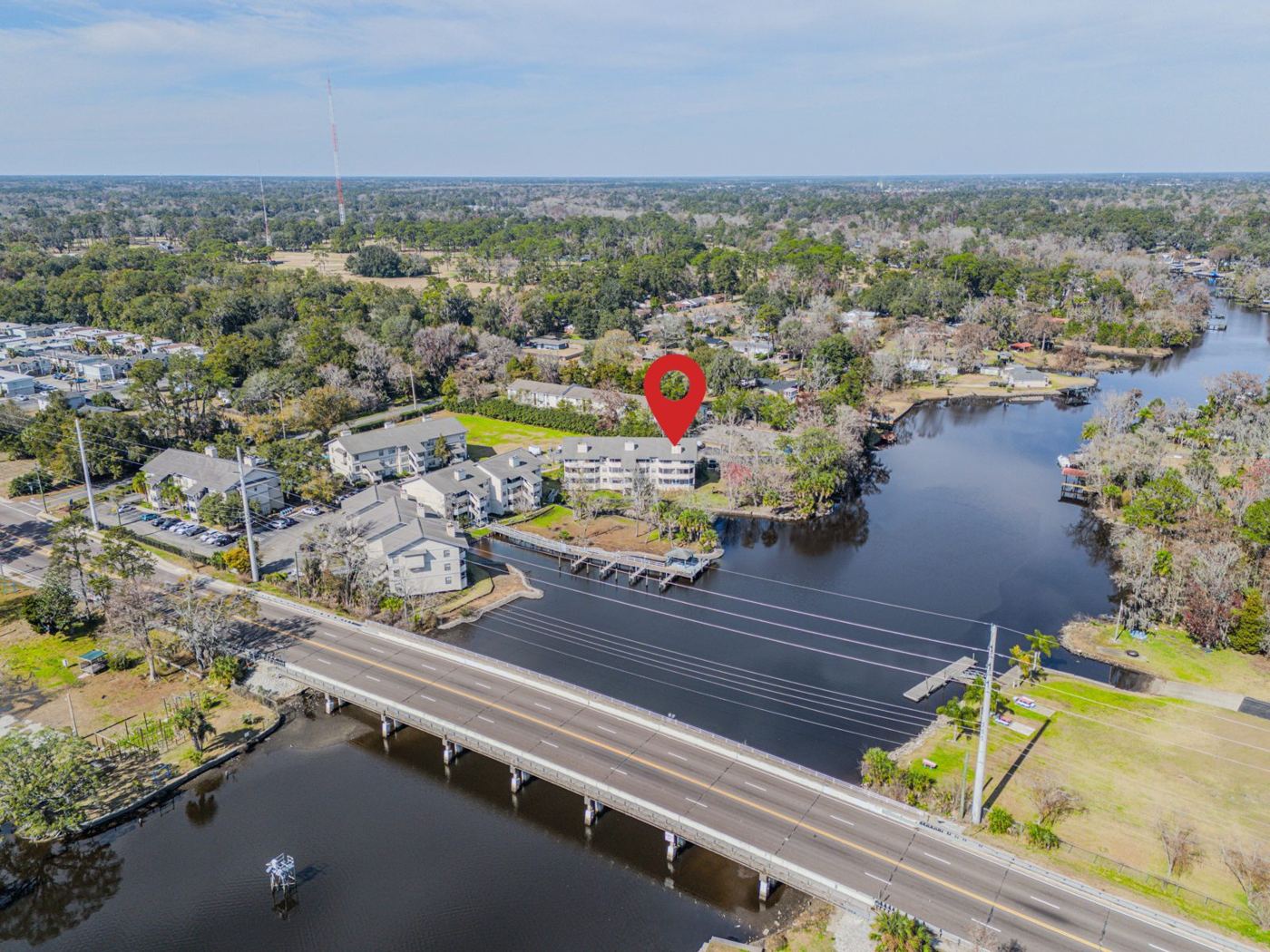
We'd rather start with the real figures than a "hot market" headline. As of the June 2026 data release (fl-market/counties.json), St. Johns County's typical home value (Zillow's ZHVI) was $492,885.20 — down about 2.7% from $506,614.89 a year earlier. Zoom out further and the picture is less dramatic: three years back (June 2023) the same measure was $520,793.97, so the county is down roughly 5.4% since then, and it's still up about 24% from five years back ($397,195.34 in June 2021) and about 74% from ten years back ($283,958.11 in June 2016). In plain terms: St. Johns had one very fast run, has cooled for the last year or two, and is still worth far more than it was a decade ago.
Median list price sits at $539,000, with the typical listing taking 61 days to find a contract. About 27.44% of active listings carried a price cut as of the June release, and active inventory (3,297 listings tracked) was down about 15.3% year over year — inventory is tightening even as prices have softened, which is a slightly unusual combination and worth watching rather than reading as a clean "buyer's market" or "seller's market" signal either way. Zillow's own valuation model reads the county as running about 5.7% under where the model thinks values should sit, and gives it a momentum score of 47 out of 100 — a touch softer than Putnam County's 53, and a fair reflection of a county that's cooling off first this cycle after outrunning most of Florida for years.
The demographic backdrop explains a lot of the pricing: median household income here runs around $106,169, more than double Putnam County's, homeownership sits at 82.1%, and 48.6% of residents hold a four-year degree. Population has grown from 235,503 in 2018 to 292,243 today — about 24% growth in under a decade, which is the kind of demand that built the newer subdivisions, the CDDs, and the school-capacity pressure this county is known for.
For anyone weighing a rental versus a purchase here, the typical asking rent (Zillow's ZORI) was $2,115.73 a month as of the June 2026 release, against an estimated all-in cost to own — mortgage, tax, and insurance — of about $2,908 a month at current values. That gap, and an estimated rental cap rate near 5.15%, is one reason we see so many out-of-state buyers treat St. Johns County as an investment play and not just a place to live; it's also why we tell renters plainly that the math doesn't always favor buying the moment you arrive, even in a county this in-demand.
2. HOA fees, CDD bonds, and school zones — plainly
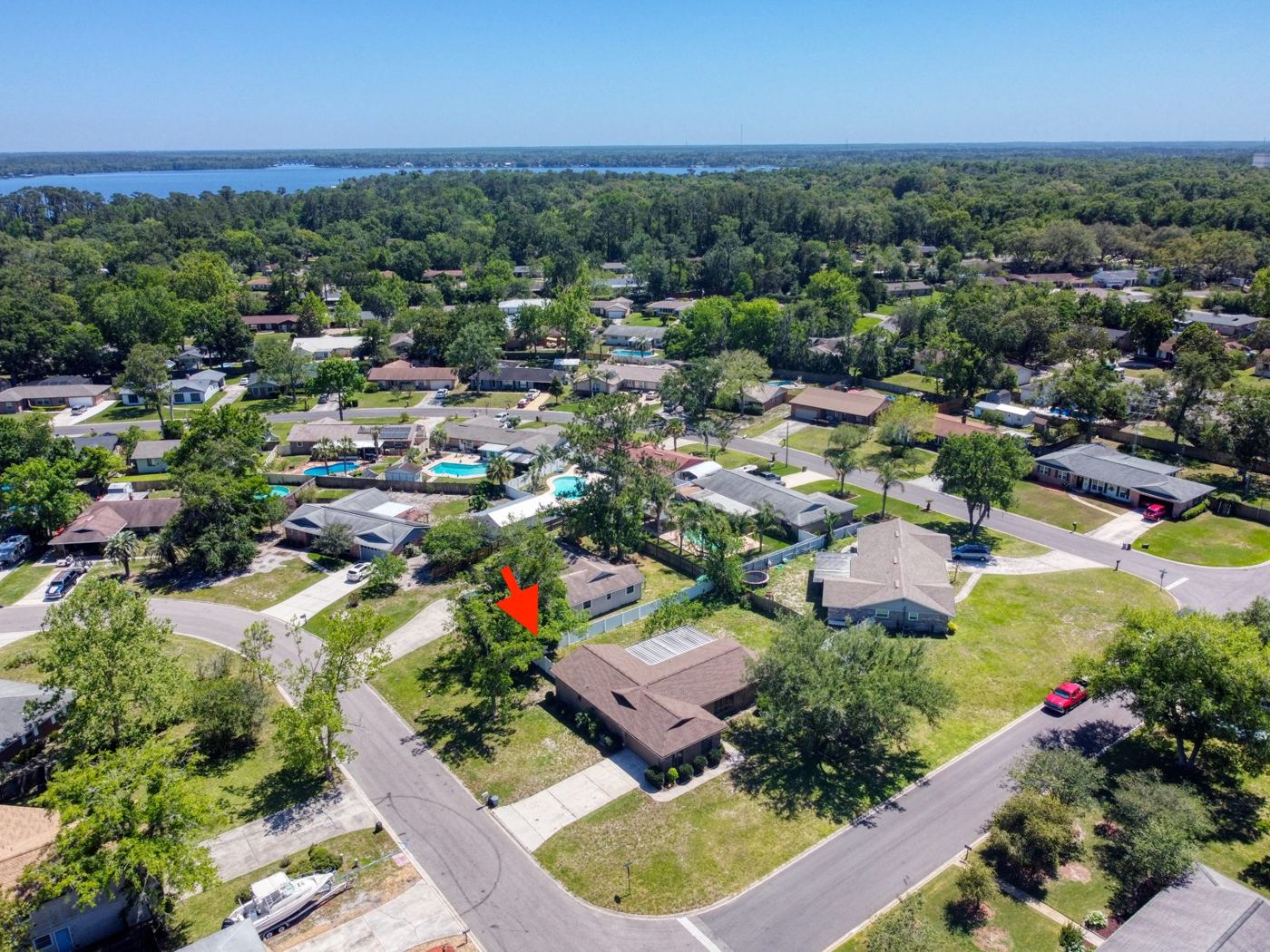
Homebuyers evaluating a newer St. Johns County community need to account for total monthly carrying cost, not just the mortgage payment. Community Development District (CDD) assessments repay the bonds that built a community's roads, water and sewer lines, and amenity centers — typically over a couple of decades — and they show up on the property tax bill on top of any separate HOA dues that cover landscaping, gates, and day-to-day common-area upkeep. The CDD amount differs by community and often by phase within the same community, so we always pull the actual assessment for the specific lot rather than quote a countywide average — there isn't a reliable one, and anyone who gives you a flat number for "CDD fees in St. Johns County" is guessing.
Ask two things before you write an offer on a CDD community: what the current annual CDD assessment is for that exact address, and roughly when the bond is scheduled to be paid off. A community five years from CDD payoff carries a different long-term cost than one eighteen years out, even if the sticker price and HOA dues look identical today.
Source: current CDD assessments and property tax records by parcel are on file with the St. Johns County Property Appraiser. Always verify the CDD balance and payoff schedule for the exact address before you write an offer.
School zoning is a real factor in St. Johns County home shopping — one of the reasons relocation buyers weigh this county heavily — but we don't quote a specific resale premium for a zoned school, because we don't have a sourced figure for that and won't invent one. What we will tell you: confirm the zoned elementary, middle, and high school for the specific address (not the neighborhood name) before you fall in love with a house, since school boundaries shift and don't always match a subdivision's marketing.
Source: confirm current school attendance zones for any specific address with the St. Johns County School Zone Lookup before assuming a subdivision's marketing matches the real zoned school.
Who Inland St. Johns County Fits
Inland St. Johns County fits buyers who want newer construction, sidewalks, and a CDD-funded amenity center, and who are comfortable paying that assessment plus HOA dues in exchange for someone else handling the upkeep. It suits a shorter commute toward Jacksonville, St. Augustine, or the beaches than Putnam County offers, and it's a match if predictable school zoning and a master-planned layout matter more to you than acreage. It's a tougher fit if you'd rather own a well and septic system outright on more land for less money and don't mind the longer drive — that's the trade-off we walk through honestly with every buyer weighing this county against our home turf in Putnam.
3. Buyer & seller strategy, from a Putnam family team who works both sides of the line
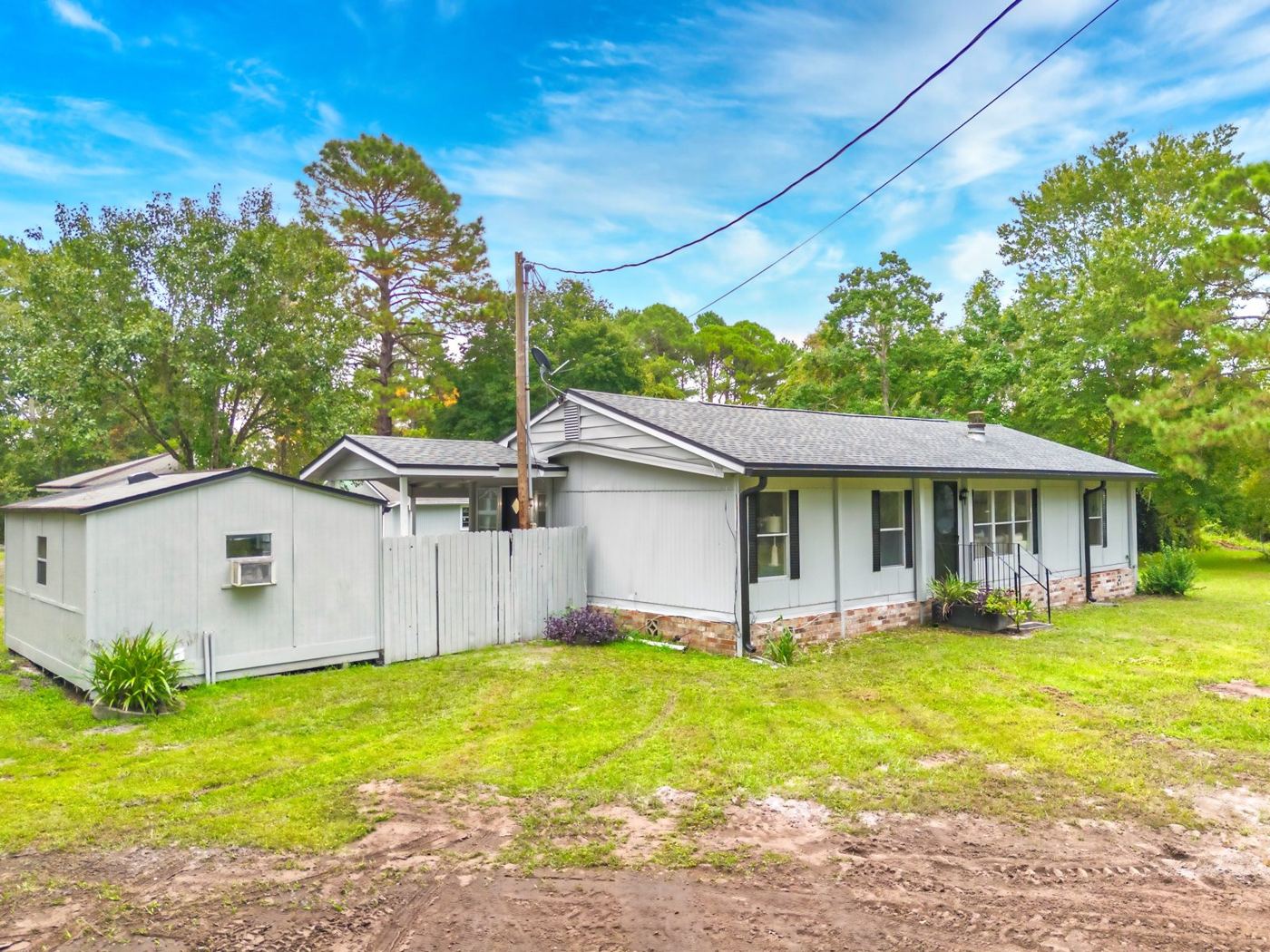
If you're buying new construction in St. Johns County, ask the builder for their current incentive sheet in writing — rate buydowns and closing-cost credits through a preferred lender change month to month and community to community, and they only mean something when you compare the total out-the-door price, not the incentive in isolation. Independent buyer representation matters here specifically because builder sales offices represent the builder, not you; your inspection rights, lot selection, and any negotiated incentives are protected a lot more reliably with your own agent in the room from the first visit.
If you're selling in St. Johns County, run the numbers on both an as-is cash offer and a traditional MLS listing before choosing a path — a cash offer trades speed and certainty (an as-is close in days, no showings) against the open market, which usually nets more but takes longer and depends more heavily on condition, pricing, and timing. We'll run both numbers side by side with you rather than steer you toward whichever path is easier for us.
The honest version of our pitch: we live in Putnam County and we're not going to pretend we know every St. Johns County subdivision block by block the way we know Palatka. What we do bring is the same habit we apply at home — pulling the actual numbers for the actual address, telling you when a deal doesn't pencil out even if it costs us the commission, and treating a St. Johns County buyer or seller exactly like we'd treat a neighbor. If a client is choosing between a St. Johns County subdivision and an inland Putnam alternative, that's the conversation we're actually built for — we'll lay out both sets of real numbers side by side rather than push whichever side of the county line is closer to home for us.
Ready to buy or sell in St. Johns County?
Call or text The Parham Team at (386) 530-1737 for a personalized read on a specific address — CDD assessment, zoned schools, comps, and an honest take on where it sits in this market.
See current St. Johns County area listings alongside everything else we have active right now.
Q: What builder flex incentives are available for new construction?
A: Many builders offer incentive packages — often as rate buydowns or closing-cost credits through a preferred lender — and the amounts change month to month and community to community. Always get the current incentive sheet in writing and compare it against the total price, not in isolation. Bringing an independent buyer agent to your first visit protects your pricing rights.
Q: How much have home values in St. Johns County changed recently?
A: The typical home value fell about 2.7% over the twelve months ending June 2026, from $506,614.89 to $492,885.20 (fl-market/counties.json) — a real cooldown after years of fast growth, though values remain about 24% above five years ago.
Q: What is the difference between an instant cash offer and listing on MLS?
A: A cash offer trades speed and certainty — an as-is close in days, no showings — against the open market, which usually nets more but takes longer and depends on condition, pricing and timing. Run both numbers side by side before deciding.
Q: How do CDD bonds and HOA dues differ in St. Johns County?
A: A CDD assessment repays the bonds that funded a community's infrastructure and amenities, typically over decades, and appears on the property tax bill. HOA dues are separate and cover ongoing common-area upkeep. Both vary by community, so always pull the specific address's figures.
Q: Is St. Johns County inventory tight or loose right now?
A: Active inventory was down about 15.3% year over year as of June 2026 even as median prices softened slightly — a tightening supply against a cooling price trend, not a clean signal in either direction.